PEAS Group > Traditional and Organic Food Products
Traditional and Organic Food Products
PEAS Group > Traditional and Organic Food Products
Traditional and Organic Food Products
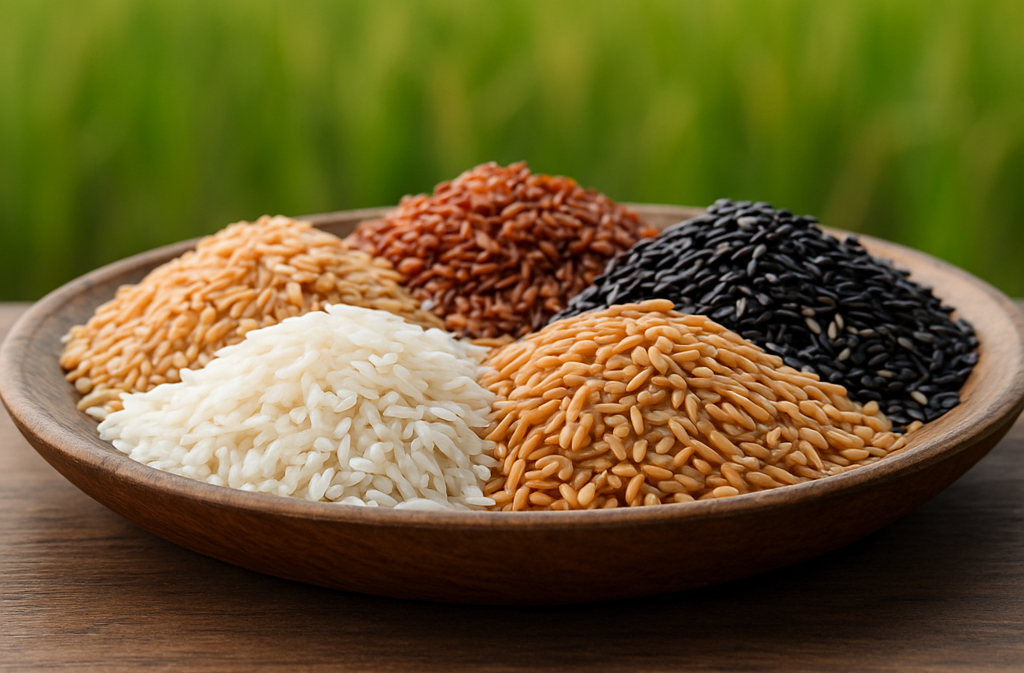
General Benefits of Traditional Rice Varieties:
High in nutrients:
These varieties are rich in vitamins, minerals, and antioxidants.
Good for digestion:
High fiber content promotes healthy digestion and prevents constipation.
May help manage blood sugar:
The fiber in these varieties can help prevent rapid spikes in blood sugar.
Supports overall health:
Their antioxidant content can help protect against free radicals and promote overall well-being
Nutritional And Therapeutic Properties Of
Traditional Rice Varieties (Trvs)
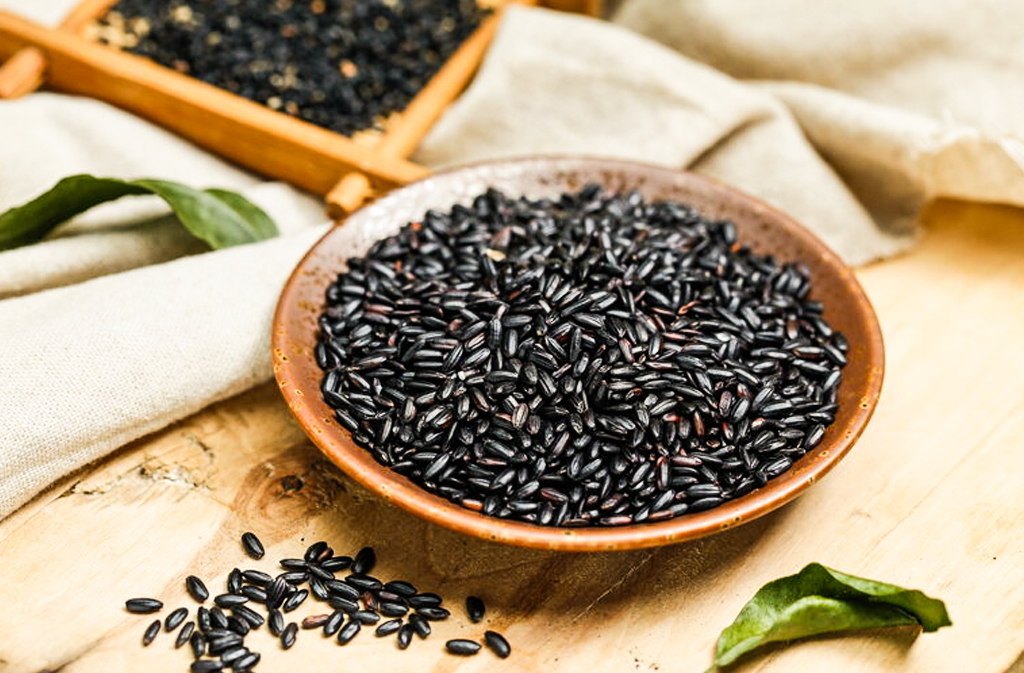
Chakhao Poireiton (Manipuri Aromatic black rice)
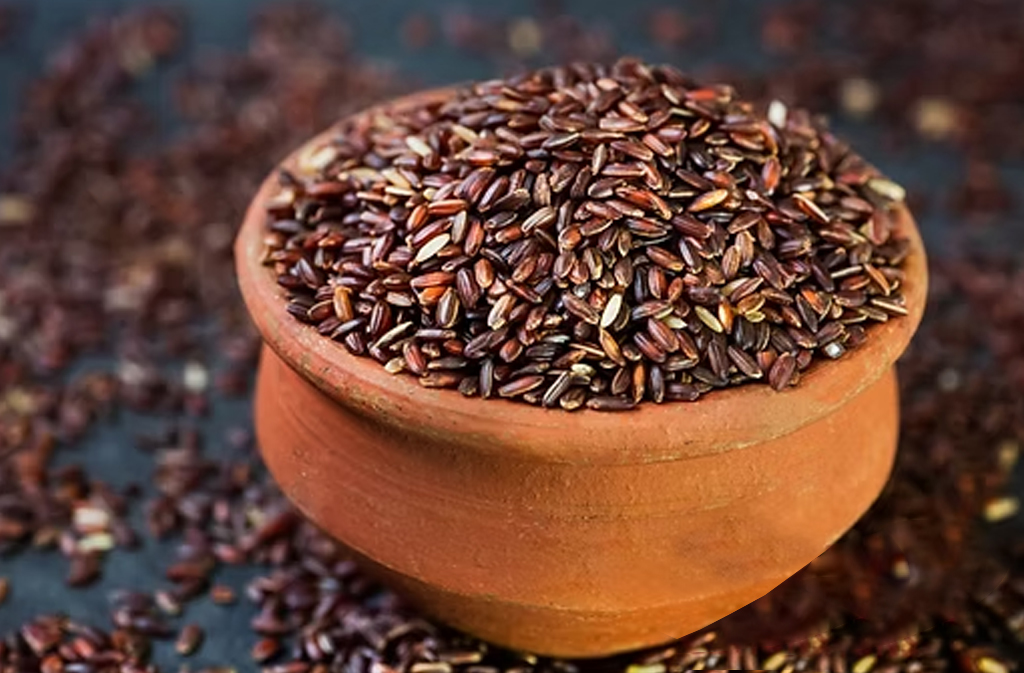
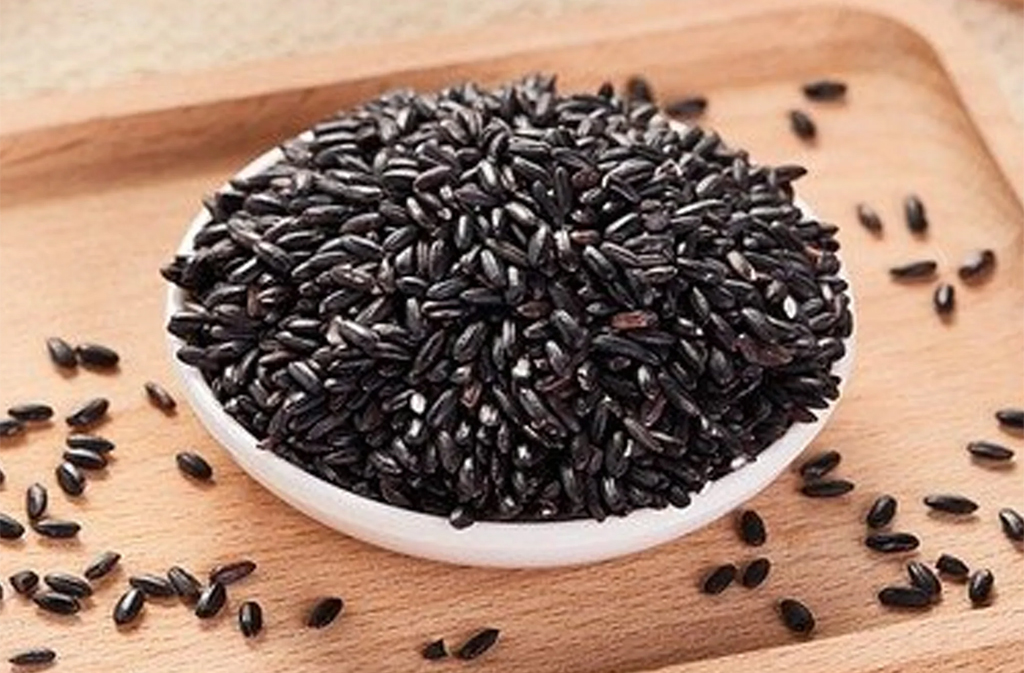
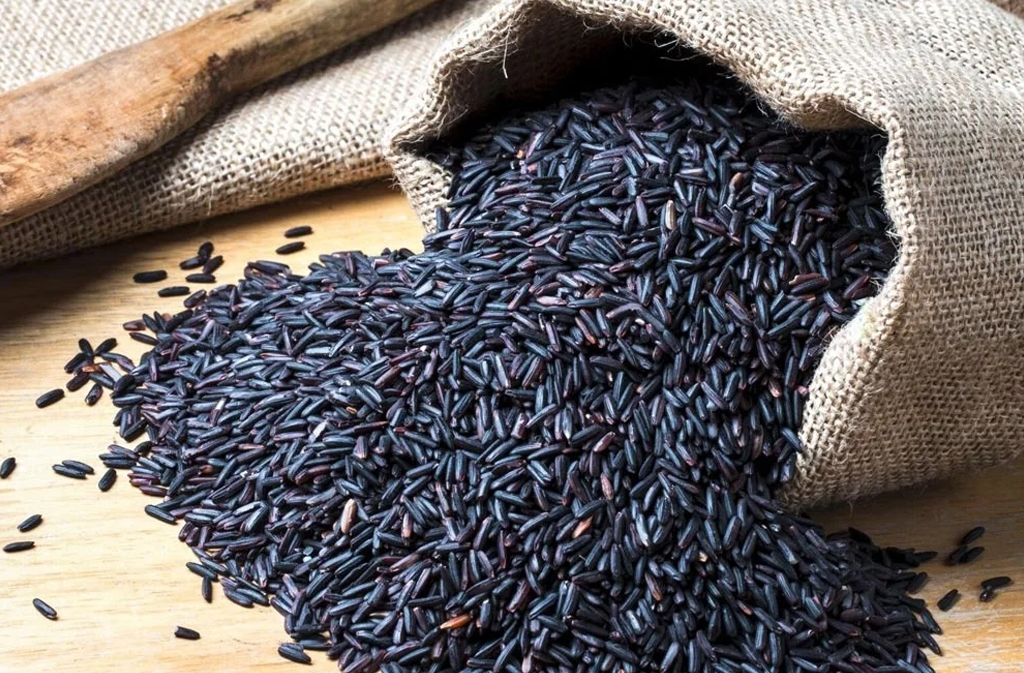
Black rice is called “Forbidden” or “Emperor’s rice” as it was reserved for the kings because of its high nutritional value. It is a native of North East India. It is rich in amino acids, fatty acids, flavonoids, antioxidants, anthocyanins and other phenolic compounds. It is also rich in protein, fibre, iron and calcium content and several important vitamins. The iron content of Chakhao Poireiton rice (raw) is 7.5mg/100g (the iron content of raw rice is 0.65mg/100g as per IFCT, 2017). Due to the presence of rich anthocyanins, black rice helps fight blood cancer, reduces cholesterol levels, prevents cardiovascular diseases and helps in liver detoxification. The dietary fibre in rice helps to maintain normal blood sugar and blood pressure levels.
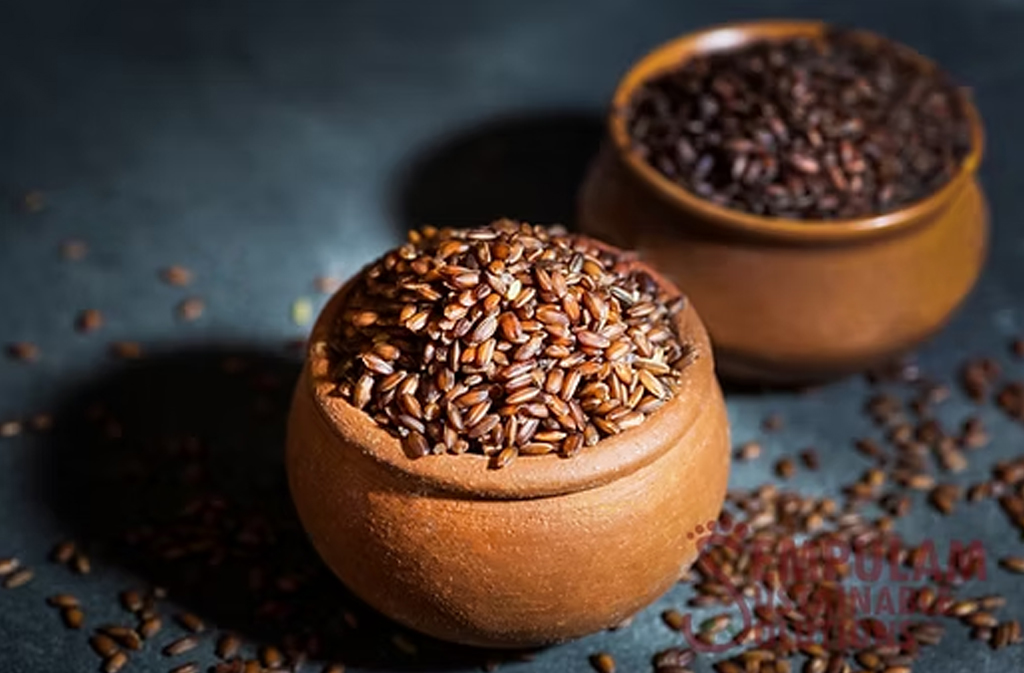
Karungkuruvai
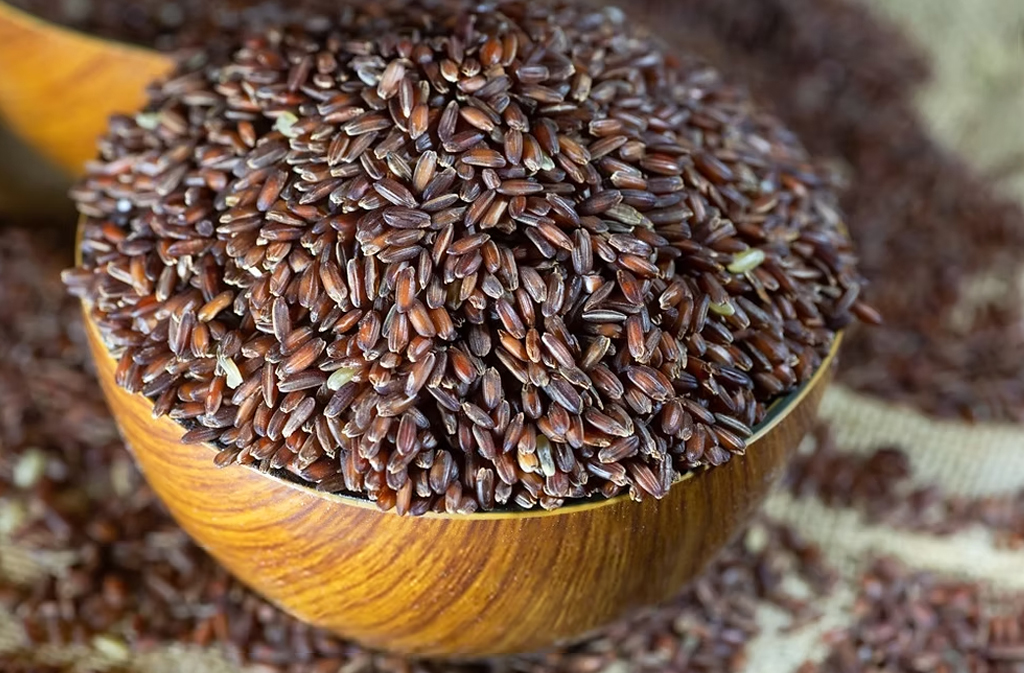
Karungkuruvai is an ancient variety cultivated in Tamil Nadu. Siddha physicians call this rice as “Man of the match” because of its varied nutritional and therapeutic properties. It is a dark brown bold rice. The glycemic index is 50-55. This variety provides great stamina. It wards off skin diseases. The porridge of this rice is indicated in fevers. It is packed with nutrients like protein, calcium, zinc, potassium and magnesium. The iron content of Karungkuruvai rice (boiled) is 12.40mg/100g (the iron content of parboiled rice is 0.72mg/100g as per IFCT, 2017). Plant sterols present in it exhibit anti-cancer properties. Curlone, an important volatile compound present in it has good antioxidant and antitumour activity.
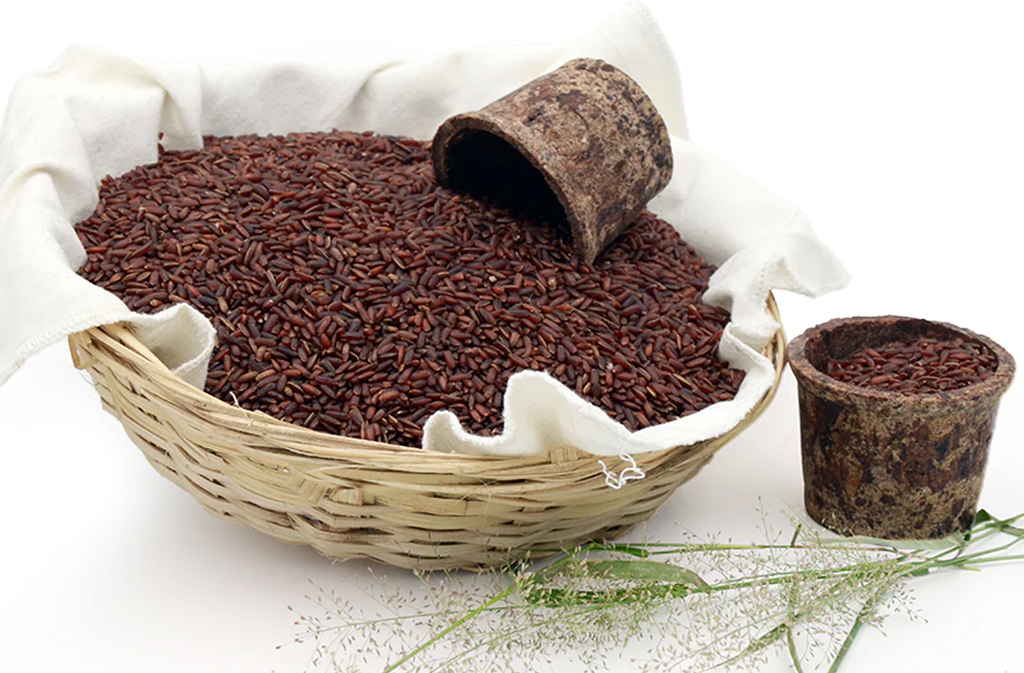
Kattuyanam
It is an extremely tall variety native to Tamil Nadu. It is a red bold rice extremely rich in magnesium, potassium and calcium. The calcium content of Kattuyanam rice (raw) is 58mg/100g (the calcium content of raw rice is 7.49 mg/100g as per IFCT, 2017). This variety also has high levels of insoluble dietary fibre. Phenolic compounds in Kattuyanam protect the body from age related disorders and certain degenerative diseases and also cancer, heart disease etc. It also has low glycemic load of 8.80, glycemic index of 47.19 and high amylose which could play a vital role in the management and prevention of diabetes and related disorders.
Kuzhiadichan
This is a brown coarse variety native to the Ramnad region of Tamil Nadu. It finds mention in several ancient medical texts. It is an excellent galactogogue and ideal for lactating mothers. This variety is rich in protein, iron, calcium, potassium, zinc, phosphorus and magnesium. The iron content of Kuzhiadichan rice (boiled) is 8.30mg / 100g (the iron content of parboiled rice is 0.72 mg/100g as per IFCT, 2017). It has high phenolic concentration and increased antioxidant activity. One of the recent research studies show that Kuzhiadichan acts as a good source of eight potential natural inhibitors of SARS-CoV-2 Mpro and hence can be used as a potential functional food for COVID-19 management
Kullakar
It is a highly drought resistant coarse red rice variety native to Tamil Nadu. This rice has a glycemic index of 52.25 and is rich in iron, calcium, zinc and antioxidants. The zinc content of Kullakar rice (boiled) is 2.71mg/100g (the value of zinc for parboiled rice is 1.08 mg/100g as per IFCT, 2017). Fibre present in this aids in weight loss, relieves constipation and reduces incidence of lifestyle related disorders. Zinc has wound healing and immune functions. This variety regenerates and energizes the body, regulates blood pressure, prevents skin diseases and premature ageing.
Mappillai Samba
It is a traditional variety of Tamil Nadu which gets its name from a folklore. This rice was given to the bridegroom (Mappillai) to increase his strength which will help him to lift a stone and win his bride and hence the name. It is a red rice with coarse grains. Consumption of water with which this rice is washed is helpful to cure mouth and stomach ulcers. It increases digestive power and helps diabetes patients because of the low glycemic index value of 66. It is also very high in iron, calcium and fibre. The calcium content of Mappillai samba rice (boiled) is 50.4mg/100g (the value of calcium for parboiled rice is 8.11 mg/100g as per IFCT, 2017). Phytosterols and tocopherols present in this rice are beneficial in reducing several lifestyle disorders.
Kaivari Samba
It has stripes like what is found on the palm and hence the name “Kaivari Samba” (Kai – palm, Vari – Stripes). The colour of the rice is red and it has bold coarse grains. This rice is used for making Idly, Dosa, Idiyappam, and flattened rice. The handpound flattened rice from this variety is extremely tasty. It is rich in calcium, magnesium, and potassium. The iron content of Kaivari Samba (boiled) is 5.80mg/100g (the value of iron for parboiled rice is 0.72mg/100g as per the IFCT, 2017)
Kalanamak
The name is derived from the Black (Kala) husk. The term namak indicates that it can grow in any saline soil. This aromatic variety is superior to Basmati in every respect except grain length. It can be used as special table rice and also for making Pulav, Biriyani, Ghee rice, Variety rice, Pongal, Kanji, Idli, Dosa and Payasam. It contains antioxidants such as anthocyanin which is useful in preventing heart disease and also helps in improving the health of the skin. It is also rich in protein, iron, calcium, zinc and phenolic content. The value of calcium for Kalanamak rice (raw) is 26.5mg/100g (the value of calcium for raw rice is 7.49mg/100g as per IFCT, 2017). Consumption of this rice also helps in preventing Vitamin D deficiency thus contributing to bone health. It has low Glycemic Index of 50.71 and is suitable for people with diabetes. It is also used to cure nerve disorders, kidney problems, skin diseases, blood pressure and is also suitable for pregnant women.
Kitchili Samba
Kitchili refers to a fruit and this rice variety probably derives its name from the resemblance of this fruit. It is a pale orange thin grain (colour resembling that of a kitchili fruit) with a pleasant aroma. The colour of the rice is white and it has fine grains. Consumption of this rice gives a sheen to the body. It is a fine South Indian variety preferred as table rice. The boiled Kitchili samba is high in protein, iron, calcium, magnesium and potassium. The iron content of Kitchili samba rice (raw) is 5.40 mg/100g (the iron content of raw rice is 0.65mg/100g as per the IFCT, 2017)
Karuppu Kowni
The rice is dark brown in colour with bold rice quality. It can be used as a regular table rice or can be made into tasty porridge and also ideal for making idly, dosa and desserts. The rice is rich in antioxidant and anthocyanin properties. It has high calcium, potassium, magnesium, and zinc. The calcium content of Karuppu kowni rice (raw) is 52.2mg/100g (the calcium content of parboiled rice is 7.49mg/100g as per IFCT, 2017). This rice variety also has reduced levels of total soluble sugar, low fat content and increased protein content which helps in the management of Diabetes Mellitus and reduces oxidative stress. It also prevents protein denaturation upto an extent thereby reducing arthritis.
Gobindabhog
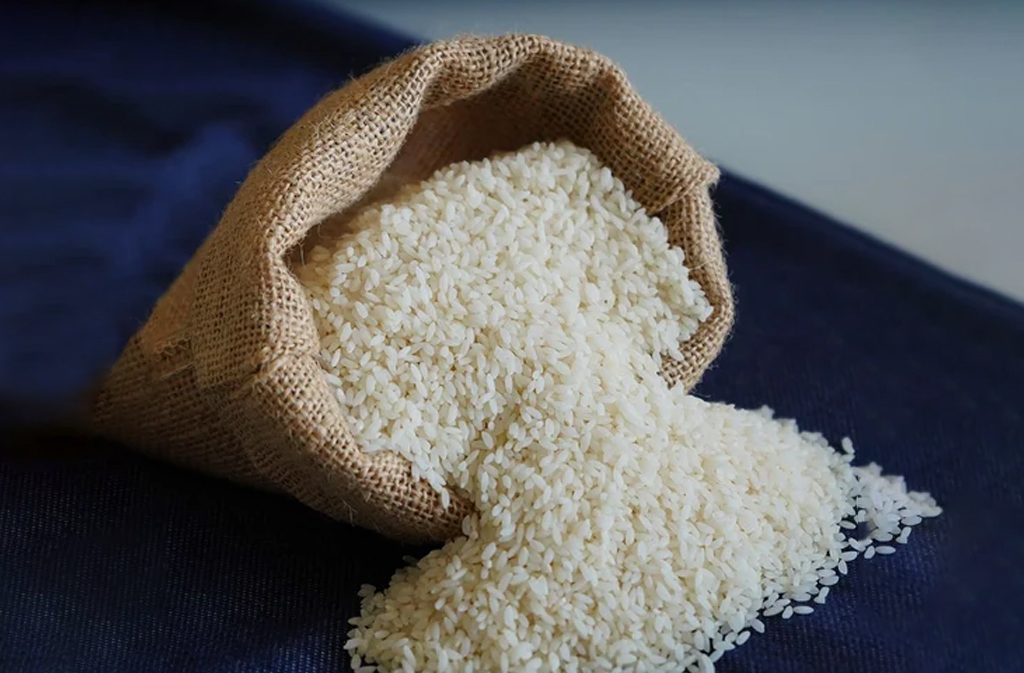
Since this rice is offered to Lord Govind Ji, the family deity of the Setts of Kolkata it is called Gobinda bhog. It has short grains and white in colour. It is an aromatic sticky rice having a sweet buttery flavour. A delicious table variety and can be used to make a number of Bengali dishes. Several desserts can be made out of this. It is rich in protein, fibre and antioxidants. Easily digestible and nourishing and helps bowel movement. This rice contains some medicinally important phytochemicals like alkaloids, glycosides, flavonoids, phenolic compounds and other secondary metabolites and therefore it can be used to treat various kinds of diseases.
Navara
The colour of the rice is red and the grains are medium in size. It is a traditional rice variety of Kerala. It is a variety used extensively by Ayurvedic doctors for various treatment purposes. It is also good for making Kerala nei payasam and tasty porridge. It is high in protein, iron, calcium, zinc, phosphorus, potassium and magnesium. The iron content of Navara rice (boiled) is 9.80mg/100g (the value of iron for parboiled rice is 0.72mg/100g as per IFCT, 2017). Navara is a good weaning food for infants, particularly those with low weight. Broth made by adding Navara rice is recommended to pregnant women as it increases the weight of the foetus. Navara rice in the form of gruel is used to treat osteoporosis, cirrhosis of liver and piles. Navara bran mixed with jaggery is used for treating peptic ulcers. Molecular studies of this rice have shown the presence of a gene fragment encoding a protein, which is reported to have anti-carcinogenic property, especially against breast cancer.
Pachchaperumal
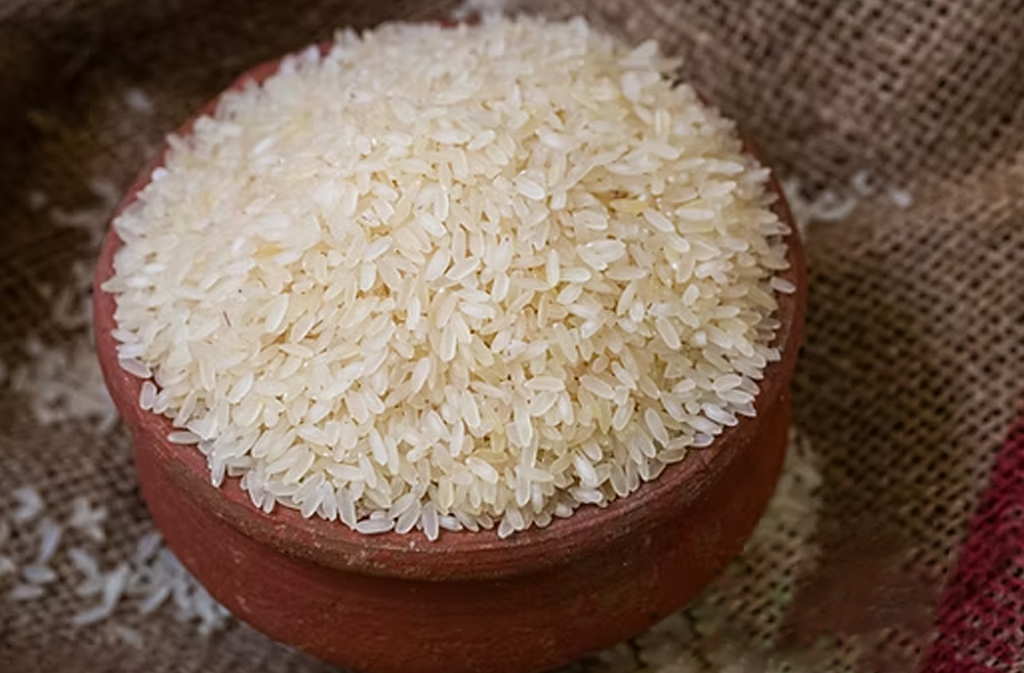
It is a white bold raw rice. It has its origin in Sri Lanka. It is suitable as table rice for daily consumption. This is rich in protein, high in iron, potassium, vitamins, antioxidants and other micronutrients. it is one of the traditional and indigenous rice varieties of Tamil Nadu, known for its rich nutritional value and cultural heritage. The name “Pachchaperumal” literally means “green deity”, symbolizing its sacred and wholesome nature. The red bran layer contains anthocyanins, which are powerful antioxidants that help fight free radicals and reduce inflammation. It Promotes digestion and helps regulate bowel movements. It’s great for those dealing with constipation or wanting to improve gut health.
Poongkar
It is a bold red rice. According to folklore it provides strength to pregnant women and enables them to have smooth delivery. Pregnant women are advised to have porridge of this variety every day. It is used for making sweet Pongal and Ven pongal. It is high in protein, iron, calcium, phosphorus and zinc. This variety has high grain protein, moderate fibre and moderate ash content.
Salem Samba
It is a white and fine rice. Ideal for preparing South Indian meals. Salem samba (raw) has high protein, iron, calcium, zinc and magnesium. The magnesium content of Salem samba (raw) is 62.60 mg/100g (the value of magnesium for raw rice is 26.72mg/100g as per IFCT, 2017). The fibre present in the bran of Salem samba is two times more when compared to the normal raw rice. This fibre helps in relieving constipation and reduces the incidence of diabetes, hypercholesterolemia, heart diseases and aids in weight loss thereby preventing obesity.
Neelam Samba
It is a white and fine rice. Ideal for preparing South Indian meals. Salem samba (raw) has high protein, iron, calcium, zinc and magnesium. The magnesium content of Salem samba (raw) is 62.60 mg/100g (the value of magnesium for raw rice is 26.72mg/100g as per IFCT, 2017). The fibre present in the bran of Salem samba is two times more when compared to the normal raw rice. This fibre helps in relieving constipation and reduces the incidence of diabetes, hypercholesterolemia, heart diseases and aids in weight loss thereby preventing obesity.
Thooyamalli
In Tamil, Thooyamalli literally means pure jasmine. Since the rice of this variety is white in colour like that of Jasmine it is known by this name. The Siddha medical texts have information about this rice variety. It is a fine variety which fetches very good price. Highly resistant to pest and disease. The rice of this variety is suitable for the South Indian meal and also for making special dishes like Biriyani. Thooyamalli is rich in protein, iron, magnesium, and zinc. The magnesium content of Thooyamalli rice (raw) rice is 52.80mg/100g (the magnesium content of raw rice is 19.30mg/100g as per IFCT, 2017). It also has high fiber content and increases the strength of nerves.
Seeraga Samba
Since the rice of this variety resembles the shape of spice cumin (in Tamil seeragam), it has got the name Seeraga samba. The colour of the rice is white and aromatic and it has extremely fine grains. It helps to cure vatha related disorders and it is easy to digest. It can be consumed as table rice, ideal for making payasam/kheer and also for making delicious biriyani and pongal. The calcium and iron content of Seeraga Samba is high. The iron content of Seeraga samba rice (raw) is 4.80mg/100g (the value of raw rice for iron is 0.65mg/100g as per IFCT, 2017). Presence of ß-Sitosterol and higher amylose content in the hand pounded rice has shown its antidiabetic nature. The higher amylose content has a much lower glycemic load, which favours slower rate of digestion. In addition the presence of other pharmaceutical compounds especially antioxidants and Central Nervous System activating compounds have also been reported which have anticancer properties and also helps in improving cognitive functioning. It contains high amount of oleic acid. It is a type of fatty acid.
Rakthasali
Rakthasali rice is a red rice variety which is widely used in the Northern parts of Kerala. Nearly an extinct variety of medicinal rice. Ayurveda uses this rice variety to cure the imbalances in the body. Purifies blood and used to build immunity because of the high zinc content. Recommended for lactating mothers. It contains high amounts of iron, potassium and fiber. The potassium content of Rakthasali rice (raw) is 202.38 mg/100g (the value of potassium for raw rice is 108mg/100g as per IFCT, 2017) . A study shows that Rakthasali has high protein, crude lipids and insoluble dietary fibre content, making them nutritionally superior.
Mullan Kaima
The colour of the rice is white and it is an aromatic bold rice cultivated by the tribals of Wayanad. It is consumed as raw rice. Being sticky and aromatic it is one of the best for Pal Payasam / Kheer. It is also good for Aappam and South Indian snacks. For non-vegetarian lovers, this is the soul of Malabar Biriyani. An excellent variety for making Pulav. It is high in iron, calcium, and zinc. The iron content of Mullan kaima rice (raw) is 2.31mg/100g (the iron content of raw rice is 0.65mg/100g as per IFCT, 2017).